A Practical Guide to Appraising and Selling Estate Jewelry in San Diego
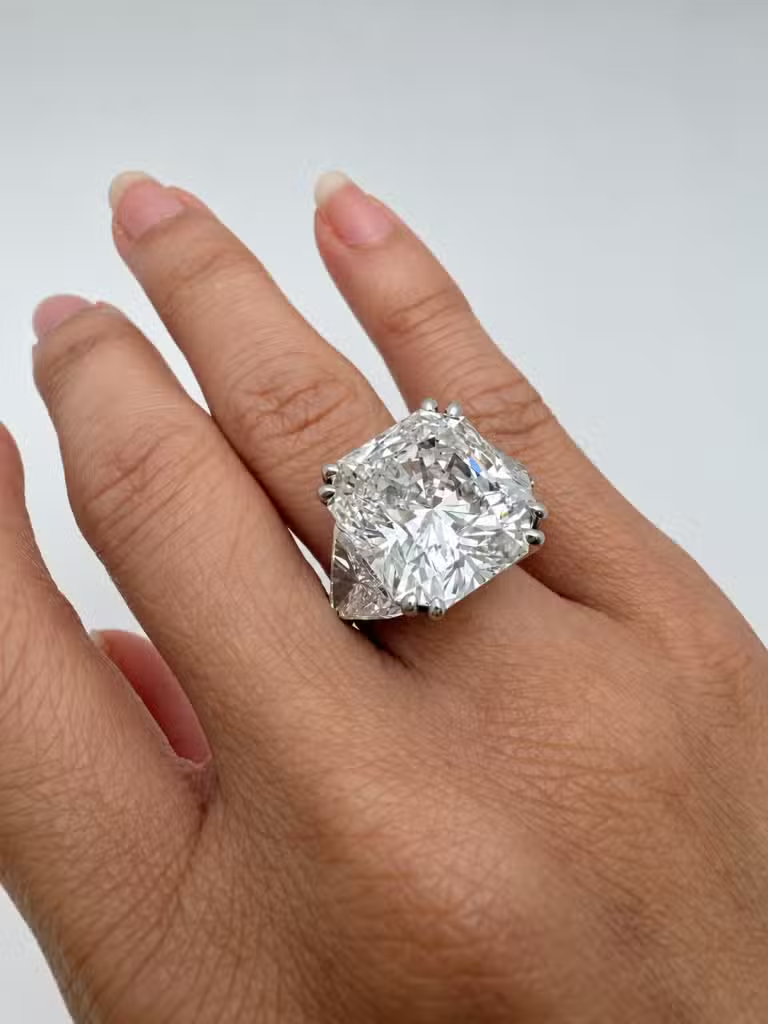
Inherited jewelry can carry both financial and sentimental value. Whether you are settling a loved one's estate, dividing jewelry among family members, or considering selling pieces you no longer wish to keep, understanding what you have is the first step toward making an informed decision.
Inheriting jewelry is not always as simple as receiving something beautiful.
Perhaps you have inherited your mother's diamond ring, your grandmother's collection of antique jewelry, or an entire jewelry box filled with pieces you know very little about. Some may have significant financial value. Others may be treasured primarily for the memories they represent.
You may be wondering:
What is this jewelry actually worth?
Should I keep it, insure it, or sell it?
How do I divide inherited jewelry fairly among family members?
Where can I sell valuable estate jewelry in San Diego?
How do I know whether a buyer's offer is reasonable?
These are common questions, and you do not need to make every decision immediately.
At La Jolla Gem Appraisal, we help individuals, families, trustees, and estate representatives throughout San Diego, La Jolla, and Rancho Santa Fe understand the jewelry in their care and explore their options through professional appraisal and jewelry brokering services.
1. Before You Sell or Divide Inherited Jewelry, Find Out What You Have
One of the most important steps is identifying the jewelry before making decisions about its future.
Not every valuable piece looks impressive at first glance. An older ring with a modest-looking gemstone may have an unusual origin, a desirable maker's signature, or characteristics that appeal to collectors.
Likewise, a large, beautiful piece of jewelry may not necessarily have the resale value you expect.
Factors that can influence estate jewelry value include:
Gemstones: Diamond and colored gemstone quality, identity, origin, treatments, and market demand.
Designer or maker: Signed jewelry from recognized houses such as Tiffany & Co., Cartier, Van Cleef & Arpels, and other important makers may command premiums in certain markets.
Age and craftsmanship: Some antique and period jewelry is valued for its distinctive design, rarity, and workmanship.
Precious metals: Gold and platinum content can contribute meaningful value, particularly when a piece has limited demand as finished jewelry.
Condition: Damage, repairs, missing stones, and alterations can affect marketability.
Collector demand: Certain jewelry designs and makers attract specialized buyers who may value them differently from a general jewelry purchaser.
An experienced gemologist and jewelry appraiser can help identify which pieces warrant further research and which may have more straightforward market value.
Practical tip: Before cleaning, repairing, resizing, or redesigning inherited jewelry, have potentially important pieces examined. Original hallmarks, signatures, construction details, and condition can provide useful information.
2. Understand the Difference Between Appraisal Value and Selling Price
One of the most common misunderstandings about inherited jewelry is assuming that an old appraisal represents what the jewelry can be sold for today.
For example, you might find an insurance appraisal from several years ago stating that a diamond ring was valued at $25,000.
Does that mean you can sell it for $25,000?
Not necessarily.
Different types of jewelry appraisals answer different questions.
Replacement Value for Scheduling Insurance Coverage
Generally estimates the cost of replacing an item with a comparable piece in the relevant retail market. It is commonly used for insurance coverage.
Fair Market Value
Estimates the value under a defined fair market value standard, often for estate administration, tax reporting, or distribution purposes. The applicable market and valuation date matter.
Resale or Marketable Cash Value
Addresses what jewelry may reasonably bring in a specified resale market, subject to the appraisal's intended use, market conditions, and assumptions.
These values are not interchangeable.
An insurance appraisal may be considerably higher than the amount a professional jewelry buyer is prepared to offer.
That does not automatically mean the buyer is offering an unfair price. It means the two figures may represent different markets and different purposes.
Practical tip: If your primary goal is to sell inherited jewelry, explain that to your appraiser. An insurance replacement appraisal alone may not provide the information you need to evaluate resale opportunities.
3. Do You Need an Estate Jewelry Appraisal?
A professional estate jewelry appraisal may be particularly helpful when:
You are serving as executor or trustee of an estate.
Several heirs will receive jewelry of potentially unequal value.
An attorney or accountant needs documentation for estate administration or tax purposes.
You have inherited valuable diamonds, gemstones, antique jewelry, or signed designer pieces.
You need to determine appropriate insurance coverage.
You are considering selling jewelry but want to understand its market before accepting an offer.
For estate and certain tax purposes, a retrospective appraisal may be required to establish fair market value as of the date of death or another applicable valuation date.
The IRS generally uses date-of-death fair market value as the basis for inherited property, subject to specific exceptions and elections. Your estate attorney or tax advisor can help determine the documentation required for your circumstances.
Not every inherited piece needs an extensive written appraisal. Depending on the collection and your objectives, some items may benefit from detailed valuation, while others may require only identification or preliminary review.
A professional can help determine an appropriate scope of work.
4. How to Divide Inherited Jewelry Fairly Among Family Members
Dividing jewelry can be one of the most emotionally challenging parts of settling an estate.
Unlike cash or financial accounts, jewelry is not always easily divided into equal portions. One family member may want a ring because it belonged to a parent, while another may be concerned about receiving an equitable share of the estate.
The most constructive approach is to separate sentimental preferences from financial value.
Consider the following process:
Step 1: Create an inventory. Photograph each piece and assign an identifying number. Include any available receipts, prior appraisals, laboratory reports, or other documentation.
Step 2: Identify important pieces. Determine which items may require professional gemological examination or additional research.
Step 3: Establish appropriate values. Obtain valuations suited to the purpose of the estate distribution, following the guidance of the executor or estate attorney.
Step 4: Discuss personal preferences. Family members can identify pieces they would especially like to keep.
Step 5: Document the distribution. Work with the estate representative and legal advisor to record how items are allocated and whether financial adjustments are appropriate.
An independent jewelry appraisal provides a documented valuation basis that can help families approach these conversations with greater clarity.
It cannot eliminate every disagreement, but it can reduce uncertainty about the financial aspects of the jewelry.
5. Should You Keep or Sell Inherited Jewelry?
There is no single correct answer.
Some people find comfort in keeping jewelry that belonged to someone they loved. Others prefer to preserve one meaningful piece and sell the remainder. Some simply have no practical use for the jewelry they inherited.
All of these choices can be reasonable.
Before deciding, consider three questions:
Does this piece have personal meaning to me?
You may wish to keep something because of its history rather than its financial value.
Would I realistically wear or use it?
A beautiful piece of jewelry may not fit your lifestyle or personal taste. Keeping it is a choice, not an obligation.
Would selling it serve a meaningful purpose?
The proceeds might support your family, fund education, reduce financial obligations, or provide resources for another important priority.
Selling inherited jewelry does not diminish the memories associated with it.
You can honor a loved one while making a practical decision about property they left behind.
And if you are uncertain, it is perfectly reasonable to wait. An appraisal can help you understand your options without requiring you to sell.
6. Where Is the Best Place to Sell Estate Jewelry in San Diego?
The best selling method depends on what you own.
A contemporary diamond ring, an antique brooch, a signed Cartier bracelet, and a collection of gold jewelry may each appeal to different buyers.
Common selling options include:
Local Jewelry Buyers
A direct sale to a jewelry buyer may offer convenience and a relatively quick transaction. However, the offer will reflect the buyer's intended resale market, costs, and profit requirements.
Auction Houses
Auctions may be suitable for certain rare, collectible, antique, or important signed pieces. Results can vary, and sellers should understand commissions, reserves, timelines, and other terms.
Consignment
Consignment may provide access to retail customers or specialized collectors, but sales are not guaranteed and can take time.
Professional Jewelry Brokering
A jewelry broker helps connect a seller with potential buyers, often using established relationships within the jewelry trade.
This can be particularly useful for important diamonds, signed designer jewelry, antique pieces, and collections that may attract specialized buyers.
Rather than assuming every item belongs in the same sales channel, a knowledgeable broker can evaluate which market may be most appropriate.
Why the Right Buyer Matters
Consider an inherited signed designer brooch.
One buyer might evaluate it primarily for its gemstones and precious metal content.
Another may recognize its maker, design significance, rarity, and potential collector demand.
Those buyers may arrive at substantially different offers.
This is why identifying and understanding important estate jewelry before selling can make a meaningful difference.
7. How La Jolla Gem Appraisal Helps Clients Sell Estate Jewelry

At La Jolla Gem Appraisal, our services combine two important areas of expertise: professional jewelry appraisal and access to an established network of knowledgeable, serious jewelry buyers.
Our appraisal work is grounded in gemological examination, market research, and recognized valuation principles.
When a client is considering selling, we can also assist through our jewelry brokering services.
Our process generally involves:
Understanding Your Jewelry
We examine the relevant characteristics of the pieces, including gemstones, metals, craftsmanship, condition, maker's marks, and available documentation.
Evaluating the Market
Where an appraisal is appropriate, we research relevant market evidence and develop a value conclusion for the agreed purpose and market.
Identifying Potential Buyers
For clients who wish to sell, we use our established professional network to seek offers from buyers whose interests and expertise are appropriate for the jewelry.
Presenting Offers Clearly
We help clients understand the offers received, applicable brokering fees, and the amount they would receive if they choose to proceed.
Supporting an Informed Decision
The client decides whether to accept an offer. There is no obligation to sell simply because a piece has been evaluated.
Importantly, an appraisal opinion and a buyer's offer serve different purposes. Our valuation conclusions are developed according to the appraisal's intended use and applicable professional standards, while brokering is a separate service that facilitates potential transactions.
Our goal is not simply to find a buyer. It is to help clients understand what they own, navigate the available market, and make decisions supported by professional expertise.
8. Five Mistakes to Avoid When Selling Inherited Jewelry
Mistake 1: Selling everything to the first buyer
Convenience matters, but an initial offer may not reflect the opportunities available through other appropriate market channels.
Mistake 2: Assuming the highest insurance appraisal is the expected selling price
Insurance replacement values and resale prices are developed for different purposes. Understanding the distinction helps avoid disappointment and unrealistic expectations.
Mistake 3: Overlooking signatures or unusual gemstones
Some jewelry deserves closer examination before being sold for its metal or gemstone content alone.
Mistake 4: Repairing or altering jewelry before seeking advice
Repairs and alterations cost money and may not improve resale results. For certain antique or collectible pieces, changes can affect desirability.
Mistake 5: Selling before the estate representative authorizes it
If jewelry is part of an estate or trust, confirm who has legal authority to sell it. Keep appropriate records of valuations, offers, transactions, and distributions.
Taking a little time to understand the collection can help prevent costly and sometimes irreversible decisions.
9. What to Bring to Your Estate Jewelry Appraisal Appointment
You do not need to know anything about gemstones or jewelry before your appointment.
However, the following can be helpful:
The jewelry you would like examined.
Previous appraisal reports, even if outdated.
Diamond or gemstone laboratory reports, such as those issued by GIA.
Original receipts, certificates, or purchase documentation.
Boxes or paperwork identifying the maker.
Relevant estate information, including the date of death if a retrospective appraisal is needed.
Any specific questions about keeping, dividing, insuring, or selling the jewelry.
If you have a large collection, organizing the pieces into numbered groups or providing an initial inventory may make the review more efficient.
For particularly valuable items, discuss appropriate transportation, security, and insurance arrangements in advance.
10. Estate Jewelry Appraisal and Brokering in La Jolla, Rancho Santa Fe, and San Diego
La Jolla Gem Appraisal provides professional jewelry appraisal and brokering assistance to private clients, families, trustees, attorneys, and estate representatives throughout the San Diego area, including La Jolla and Rancho Santa Fe.
Our experience includes diamonds, colored gemstones, antique and estate jewelry, signed designer pieces, and important private jewelry collections.
The practice is led by Trang Pham, Master Gemologist Appraiser® (MGA®), Accredited Senior Appraiser (ASA), and GIA Graduate Gemologist (GG).
Whether you have inherited a single diamond ring or are responsible for an extensive estate jewelry collection, we can help you determine an appropriate next step.
Frequently Asked Questions About Inherited Jewelry
How much does an estate jewelry appraisal cost in San Diego?
Appraisal fees depend on the number and complexity of items, the type of valuation required, and the research involved. Contact La Jolla Gem Appraisal to discuss your collection and receive information about the appropriate service and fees.
Can I sell inherited jewelry without an appraisal?
Yes, in many circumstances. However, a professional evaluation can be valuable when the jewelry is important, unusual, or potentially collectible. A formal written appraisal may also be needed for estate administration or other purposes.
Is inherited jewelry worth more because it is antique?
Not necessarily. Age alone does not establish value. Rarity, craftsmanship, maker, gemstone quality, condition, and market demand are all important considerations.
What if I inherited jewelry without certificates or receipts?
You can still have it examined. A qualified gemologist can assess the jewelry and determine what can be identified through examination, testing, and research. Additional laboratory testing may be recommended in some cases.
Do you help sell Tiffany, Cartier, and other designer estate jewelry?
La Jolla Gem Appraisal works with signed designer jewelry and other important estate pieces. Depending on the item, our brokering services may help connect clients with buyers who specialize in that category.
Do I have to sell my jewelry after having it appraised?
No. An appraisal helps you understand the property and its value for a defined purpose. The decision to keep, insure, distribute, or sell remains yours.
Can you help with an entire inherited jewelry collection?
Yes. We can discuss an appropriate evaluation and brokering approach based on the size, characteristics, and objectives of the collection.
A Thoughtful First Step
Inheriting jewelry often comes during a time of significant change. Along with the practical responsibilities of managing an estate, there may be memories, family expectations, and difficult decisions.
You do not need to know what every piece is worth, understand the jewelry market, or decide immediately what to keep and what to sell.
Start by understanding what you have.
With the right professional guidance, you can approach the process with greater clarity, preserve what matters to you, and make informed decisions about the rest.
Schedule an Estate Jewelry Consultation
La Jolla Gem Appraisal
Independent Jewelry Appraisal & Professional Jewelry Brokering
Serving La Jolla, Rancho Santa Fe, and Greater San Diego.
Whether you need an estate jewelry appraisal, assistance with inherited diamonds or designer jewelry, or professional guidance on selling a valuable collection, we welcome the opportunity to help.
Visit La Jolla Gem Appraisal to schedule an appointment or inquire about our estate jewelry appraisal and brokering services.
Appointments available by arrangement.
Disclaimer: This article provides general educational information and is not legal or tax advice. Estate valuation, tax reporting, ownership, and distribution requirements depend on individual circumstances. Consult your attorney or tax professional where appropriate. Jewelry values and selling results depend on the relevant market and individual property characteristics. No particular selling price or outcome is guaranteed.